Bingo Nights Fueling Cross Generational Bonds in Urban Community Hubs
Written by Rafael Friedrich · Oct 26, 2026
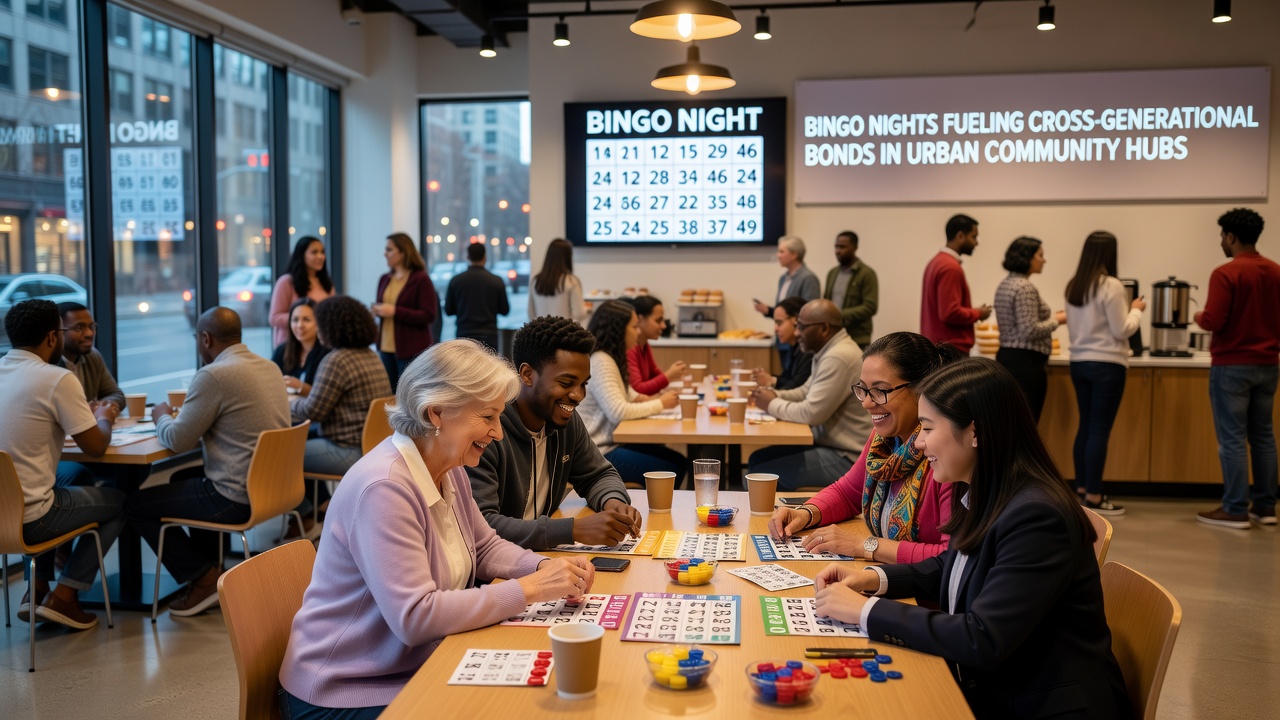
Bingo Nights Fueling Cross Generational Bonds in Urban Community Hubs
Urban community hubs across multiple cities have integrated bingo nights into their regular programming, and data from local recreation departments shows these events draw participants spanning several decades in age. Researchers at institutions focused on social connectivity note that structured games like bingo create repeated opportunities for conversation between younger adults, families with children, and older residents who might otherwise engage in separate activities. Attendance records from centers in places such as Toronto and Melbourne indicate steady growth in multi-generational turnout since 2023, with sessions often running on weekday evenings to accommodate work schedules and school routines.
Programming Patterns in City Centers
Community organizations schedule bingo nights alongside other activities including fitness classes and craft workshops, yet the game format itself encourages longer stays because rounds typically last between forty-five and ninety minutes. Coordinators report that venues adjust prize structures to include small household items alongside cash awards, which appeals to players who value the social aspect over large payouts. In October 2026 several hubs in North American and Australian cities plan themed sessions tied to local harvest festivals, and preliminary registration data suggests these will attract family groups that include teenagers and grandparents playing at the same tables.
Facility managers coordinate with transit authorities to extend evening service on event nights, while nearby cafes extend hours to serve light refreshments. This setup allows participants to arrive early for dinner conversations and remain afterward for informal chats, extending the duration of cross-generational contact beyond the game itself.
Interaction Data and Observed Outcomes
Studies conducted by university sociology departments track conversation frequency during bingo sessions and find that mixed-age tables generate higher rates of topic shifts compared with same-age groups. Observers note exchanges about technology use, historical events, and neighborhood changes occur naturally when players assist one another with card marking or number verification. Figures from community health surveys in European cities indicate participants in these programs report increased weekly social contacts, although researchers emphasize correlation rather than direct causation with improved well-being metrics.
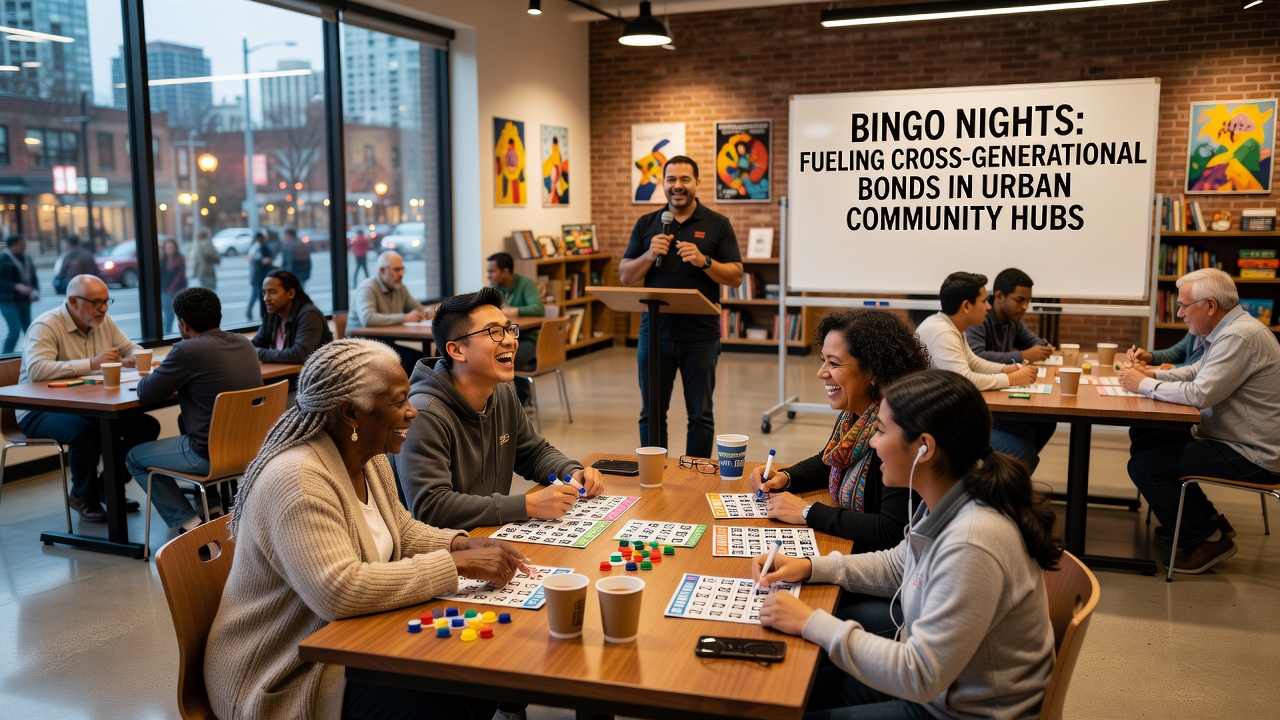
One longitudinal project based at a Canadian research institute followed regular attendees over eighteen months and recorded that 62 percent of participants under thirty maintained contact with at least one player over sixty outside the venue setting. Similar patterns appear in reports from Australian local councils, where intergenerational bingo events coincide with reduced isolation indicators among seniors living alone. Event organizers adjust pacing and volume levels to accommodate hearing variations across age groups, and volunteers often pair newer players with experienced ones to explain variations in game patterns.
Examples from Specific Urban Locations
In one Midwestern U.S. city, a converted warehouse space hosts weekly bingo nights that began as a pilot in 2024 and now draw an average of 180 attendees per session, with age ranges documented from eight to eighty-four. Staff members rotate table assignments every three rounds to increase mixing, and post-event surveys show that 78 percent of respondents met someone from a different generation they had not previously known. A comparable program in a Scandinavian capital incorporates multilingual number calls to serve immigrant families, resulting in documented language practice opportunities between youth and elders who share the same first language but different daily routines.
Local governments allocate small grants for equipment such as large-print cards and electronic verifiers, which reduce barriers for players with visual or motor differences. Partnerships with nearby schools allow student volunteers to earn community service credits while assisting with setup and cleanup, creating additional structured contact points. These arrangements appear in activity logs from multiple municipalities and demonstrate how bingo nights function as recurring touchpoints rather than one-off gatherings.
Logistical Elements Supporting Participation
Venues maintain accessible entrances and restrooms to accommodate mobility aids, and many provide shuttle services from nearby senior residences on request. Registration systems allow advance sign-ups that include age-range information, enabling staff to balance table compositions without overt segregation. Supply chains for bingo equipment source from regional manufacturers, and maintenance schedules ensure machines remain operational during peak attendance months such as October when community calendars fill with seasonal events.
Training materials for volunteers cover basic conflict resolution and inclusive language practices, although most sessions proceed without incident according to incident reports compiled by center administrators. Data collected through simple feedback forms distributed at exits helps coordinators refine timing and prize selections for subsequent weeks, closing the loop between observed attendance and programming adjustments.
Conclusion
Bingo nights in urban community hubs operate through coordinated scheduling, accessible facilities, and deliberate table arrangements that place different age groups in repeated proximity. Records from recreation departments and academic tracking projects document sustained participation across generations, with measurable increases in cross-age conversations and some continued contact outside the events. As cities plan activities for October 2026 and beyond, existing patterns suggest these gatherings will continue to serve as reliable venues for interaction while logistical supports remain in place.