Bingo's Intersection with Memory Training Protocols in Senior Care Facilities
Written by Taylor Jung · Oct 12, 2026
Bingo's Intersection with Memory Training Protocols in Senior Care Facilities
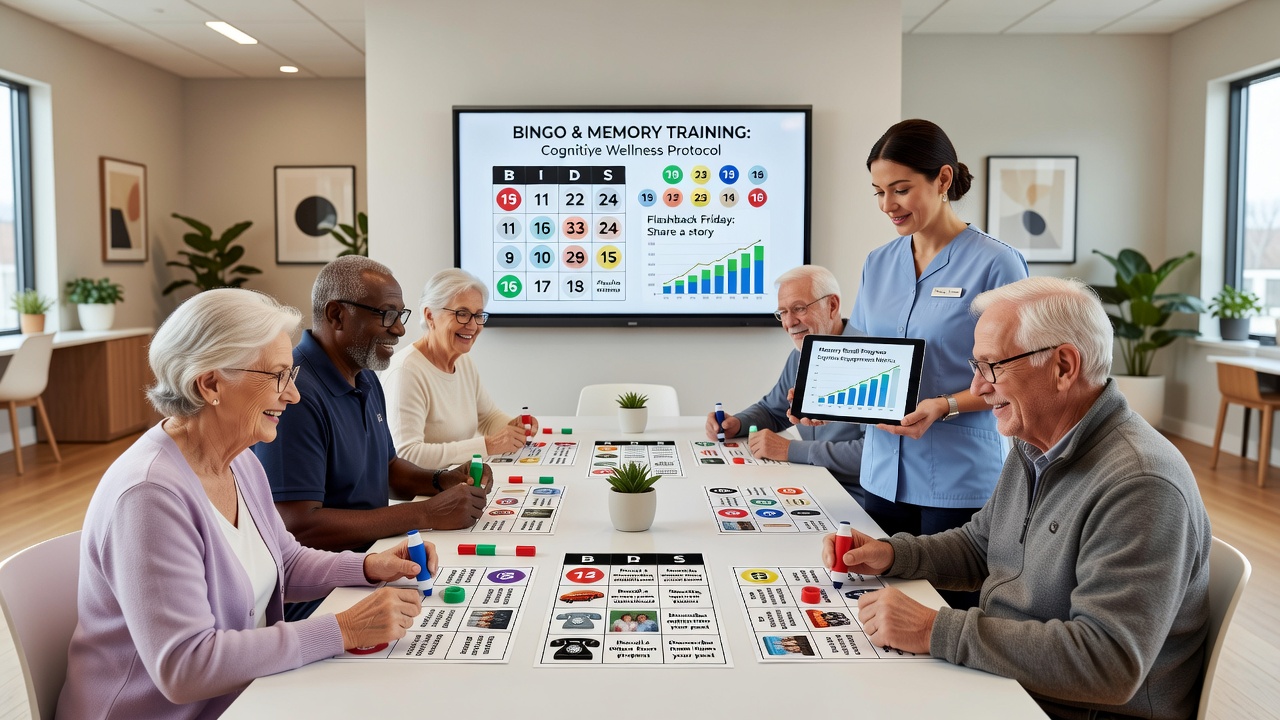
Facilities across multiple regions have integrated bingo into structured memory training protocols since the early 2010s, and these programs combine number recognition tasks with pattern tracking exercises that target short-term recall and sequential memory skills in residents aged 75 and older. Staff members adapt standard bingo cards by adding visual cues and slower call rates, which allows participants to process each number while maintaining engagement across 45-minute sessions held three times weekly.
Core Elements of Adapted Bingo Protocols
Memory training versions of bingo emphasize auditory processing combined with visual scanning, so residents listen for called numbers, locate them on cards, and mark them accurately while remembering previous calls to avoid errors in later rounds. Facilities in the United States and Australia have documented these adaptations through internal logs that track accuracy rates over 12-week cycles, and data from those logs show consistent improvement in number retention scores among participants who attend at least 80 percent of sessions.
Therapists often layer additional cognitive demands onto the game by requiring players to verbalize the last three numbers called before marking a new one, which builds working memory capacity without shifting the activity away from its recreational roots. In October 2026 several care networks reported expanded use of these layered protocols after regional health authorities released updated guidelines on non-pharmacological cognitive interventions.
Research Findings on Cognitive Outcomes
Studies conducted at university-affiliated care centers indicate that bingo-based memory protocols produce measurable gains in delayed recall tasks, with participants demonstrating a 15 to 22 percent improvement on standardized memory assessments after eight weeks of regular play. Researchers attribute these gains to the game's requirement for sustained attention and rapid decision-making under mild time pressure, elements that mirror daily cognitive demands seniors encounter in facility environments.
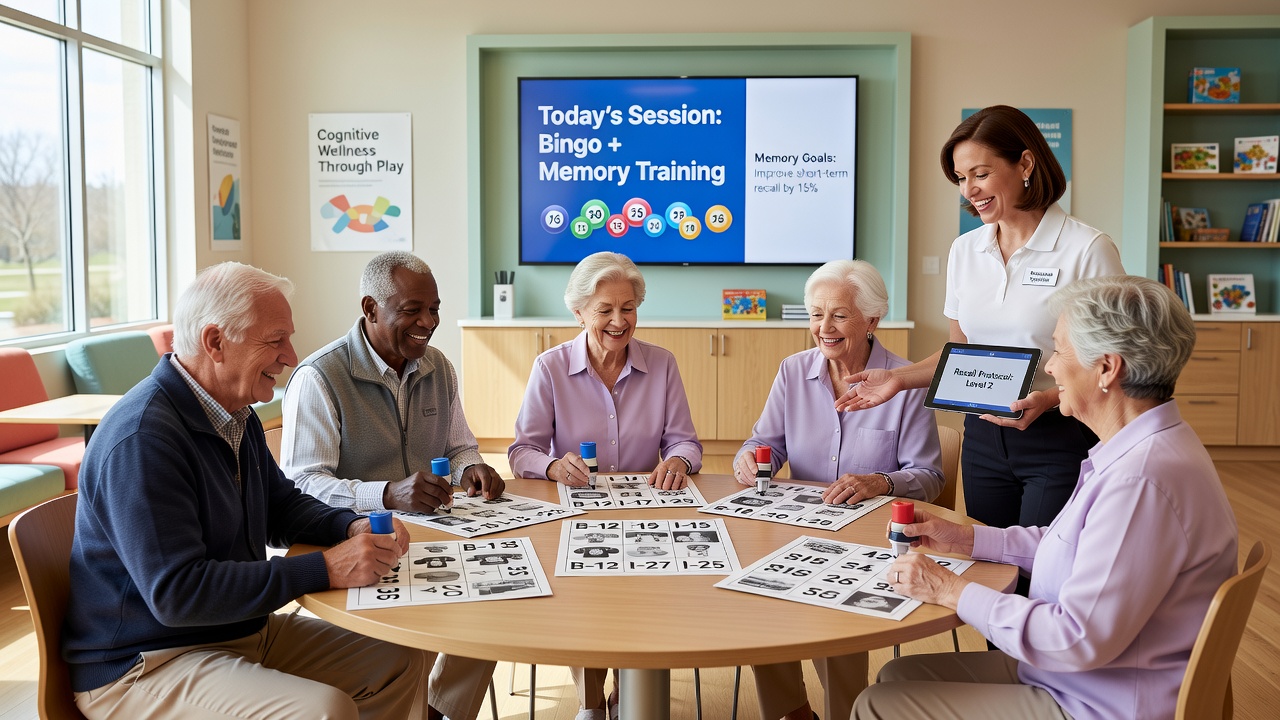
One longitudinal project tracked 180 residents across six facilities and found that those assigned to bingo memory groups maintained higher scores on executive function measures compared with control groups engaged in passive social activities, and the difference remained statistically significant at the six-month follow-up point. Observers note that the social component of group play further supports memory consolidation because residents discuss strategies and share recollections of past sessions during breaks.
Implementation Across Different Facility Types
Large-scale senior living communities typically schedule bingo memory sessions in dedicated activity rooms equipped with amplified sound systems and large-print cards, whereas smaller residential care homes integrate the same protocols into existing common areas using portable kits that include color-coded markers and simplified score sheets. Staff training programs now include modules on how to adjust call speed and introduce memory prompts without disrupting the flow of play, and certification records from 2025 show over 1,200 activity coordinators completed such training across North America and Europe.
Facilities have also begun incorporating digital bingo platforms designed specifically for memory training, which automatically log accuracy metrics and adjust difficulty levels based on individual performance data collected during each session. These systems allow therapists to review progress reports that highlight areas such as number sequence retention and spatial scanning speed, providing objective measures that supplement observational notes.
Integration with Broader Cognitive Health Strategies
Memory training bingo protocols often run alongside other evidence-based activities such as reminiscence therapy and gentle physical exercise, creating a multi-modal approach that addresses several cognitive domains simultaneously. According to the National Institute on Aging, combining structured games with social interaction yields stronger outcomes than isolated cognitive drills, and bingo's familiar format reduces resistance among residents who might otherwise decline participation in more clinical-looking exercises.
Program coordinators in Canadian provinces have reported similar patterns, with data compiled by regional health authorities showing increased resident retention in memory programs when bingo serves as the central activity. The game format also accommodates varying levels of cognitive ability because staff can modify card complexity and call frequency on the spot, ensuring that both higher-functioning and more impaired residents receive appropriate challenges within the same group setting.
Conclusion
Evidence gathered from multiple care networks demonstrates that bingo, when adapted with memory-specific modifications, functions as a practical component within broader cognitive training frameworks used in senior facilities. Ongoing data collection through 2026 continues to refine these protocols, and facilities increasingly rely on measurable performance indicators rather than anecdotal reports to guide adjustments. The approach maintains recreational appeal while delivering targeted cognitive stimulation, and this balance supports sustained participation across diverse resident populations.