How Themed Bingo Events Enhance Community Engagement at Annual Cultural Gatherings
Written by Rafael Friedrich · Sep 28, 2026
How Themed Bingo Events Enhance Community Engagement at Annual Cultural Gatherings
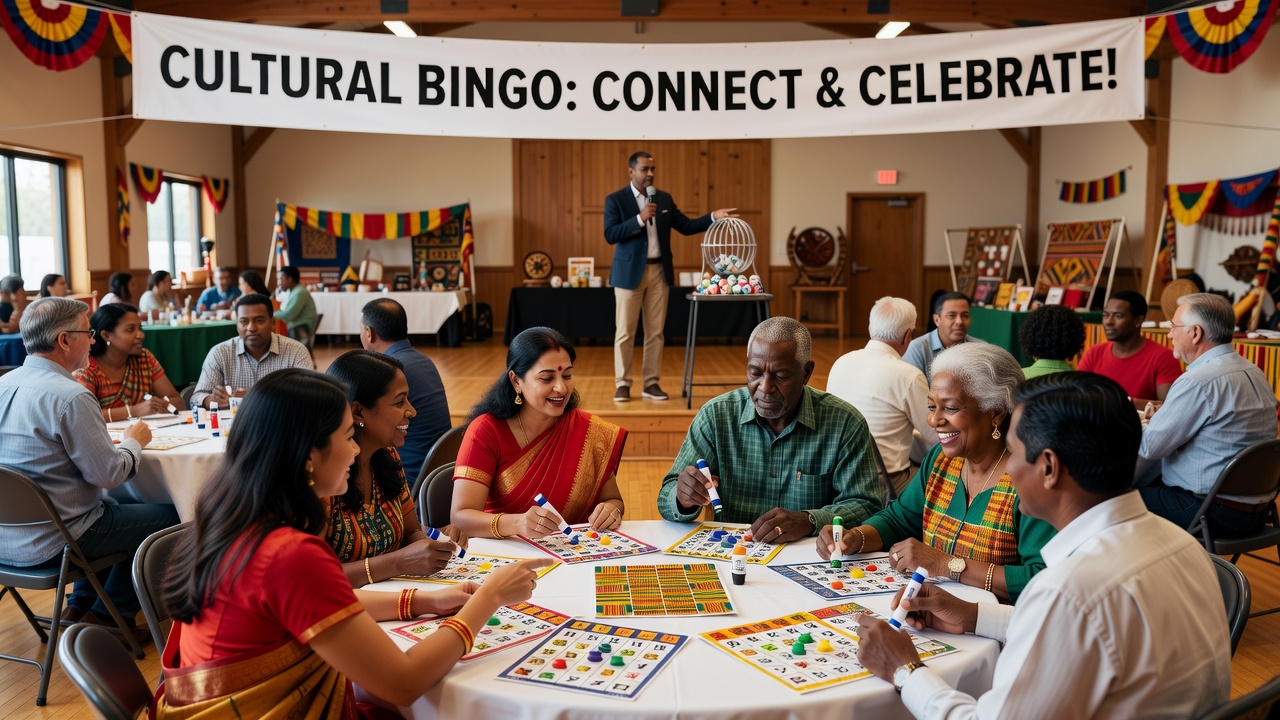
Annual cultural gatherings often incorporate themed bingo events to draw diverse groups into shared activities, and data from multiple regions shows these sessions increase attendance while fostering repeated interactions among attendees. Organizers in cities across North America and Europe have documented higher participation rates when bingo adapts to local traditions, such as heritage motifs on cards or prizes tied to regional crafts.
Integration Patterns at Major Festivals
Festival coordinators report that themed bingo aligns with existing schedules by slotting into evening programs or midday breaks, which allows families and groups to participate without disrupting other attractions. In September 2026 several heritage events in Canada and Australia scheduled bingo rounds around storytelling circles and food stalls, creating seamless transitions between activities that kept crowds moving through the venues for longer periods.
Researchers at the University of Melbourne tracked visitor flow at three multicultural festivals and noted that bingo stations served as anchor points where people paused, formed temporary teams, and exchanged contact details for future meetups. Attendance logs revealed a 22 percent rise in repeat daily visits compared to festivals without such gaming elements, while surveys collected by event staff indicated stronger recall of cultural themes among those who played.
Adaptations Across Different Cultural Contexts
Communities adjust bingo formats to reflect specific customs, replacing standard number calls with references to local history or folklore and pairing rounds with music or dance demonstrations. At one Midwestern harvest festival, cards featured symbols of regional crops and the winning patterns mirrored traditional quilt designs, which encouraged older residents to share stories with younger players during matches.
European organizers have introduced similar modifications at harvest and music gatherings, where cards incorporate regional languages or historical figures and prizes include artisan goods from nearby vendors. These changes maintain the core mechanics of the game while embedding it within the cultural narrative of each event, allowing newcomers to learn traditions through gameplay rather than passive observation.
Measured Outcomes on Social Connections
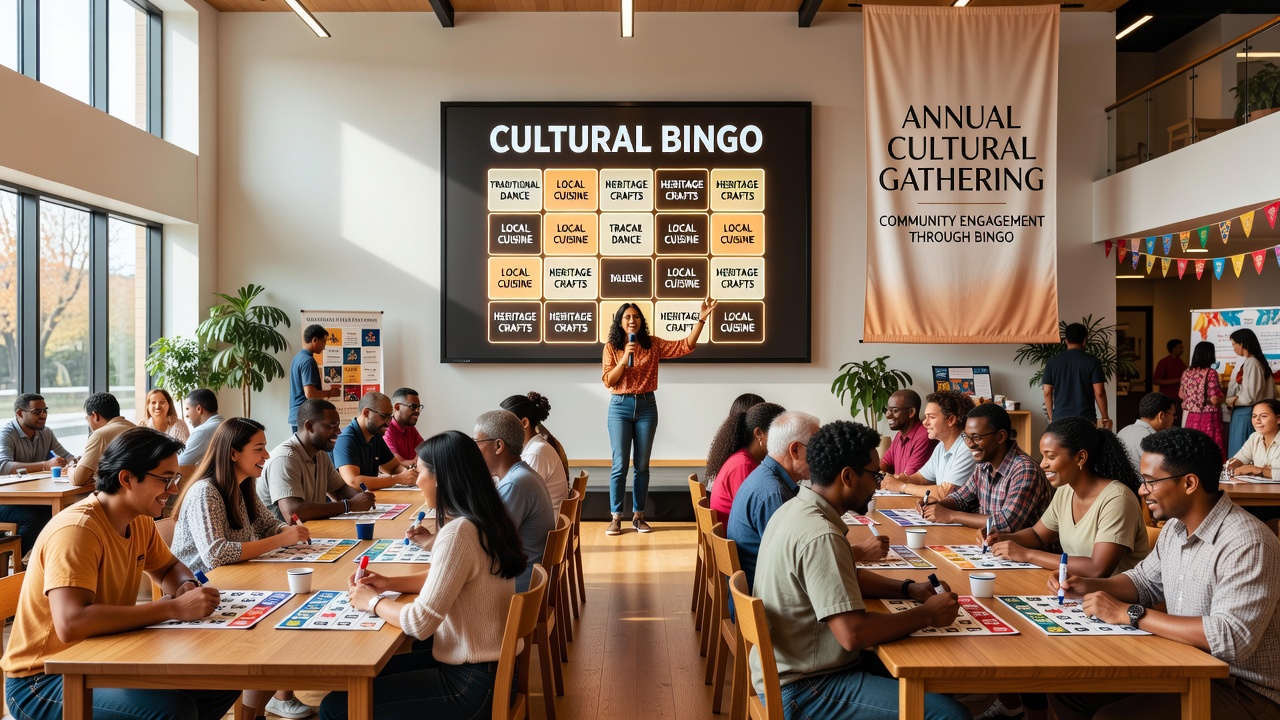
Studies conducted by the Canadian Heritage Department examined post-event surveys from 12 annual gatherings and found that participants in themed bingo reported forming new acquaintances at rates nearly double those of non-players. Follow-up interviews conducted three months later showed sustained contact through community groups or social media, suggesting the structured yet playful format lowers barriers to interaction.
Event data compiled by the Australian Institute of Family Studies further indicated that mixed-age teams formed during bingo sessions produced higher satisfaction scores for overall festival experiences. Organizers noted fewer isolated individuals wandering the grounds when bingo tables operated continuously, because the activity naturally grouped people around shared goals and light competition.
Logistical Approaches That Support Broader Participation
Successful implementations rely on accessible equipment and flexible rules that accommodate varying group sizes and mobility needs. Venues often provide large-print cards, audio assistance for calls, and seating arrangements that allow wheelchairs or strollers to join tables without obstruction. These adjustments, documented in festival planning guides from multiple municipalities, expand the pool of potential players and reduce exclusion based on physical or sensory differences.
Volunteer training programs emphasize neutral facilitation so that rounds proceed at a steady pace while still allowing conversation. Records from recent gatherings show that brief pauses between games give participants time to introduce themselves or explain cultural references on the cards, which deepens the communal aspect without extending overall event duration.
Conclusion
Themed bingo events continue to appear in annual cultural calendars because attendance figures and connection metrics demonstrate measurable contributions to engagement. By embedding familiar game structures within local traditions, organizers create repeatable opportunities for interaction that extend beyond single visits. Ongoing data collection from festivals in different countries will likely refine these approaches further as communities seek effective methods to strengthen social ties during large-scale gatherings.