The Application of Bingo Patterns in Therapeutic Activities Aimed at Enhancing Recall Abilities
Written by Taylor Jung · Nov 9, 2026
The Application of Bingo Patterns in Therapeutic Activities Aimed at Enhancing Recall Abilities
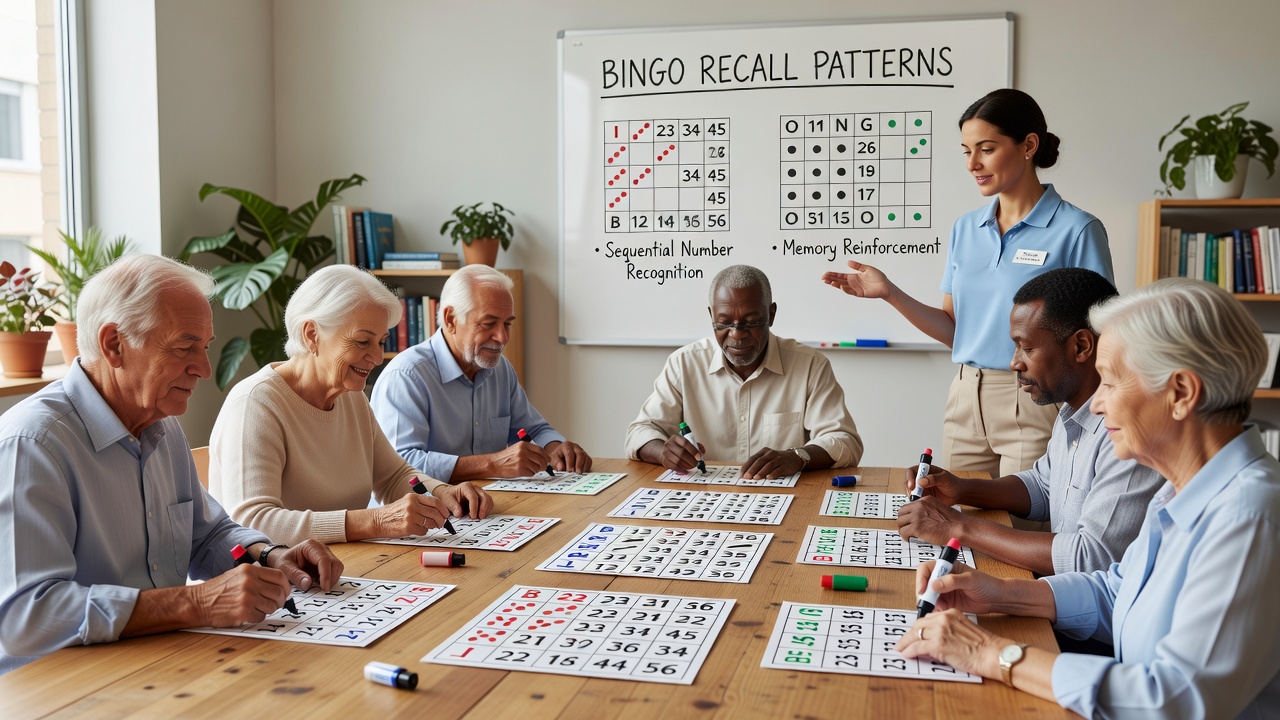
Therapists have adapted bingo patterns for structured memory exercises that target recall abilities through visual pattern matching and number sequencing, and these activities combine grid-based layouts with progressive difficulty levels to support cognitive rehabilitation across various patient groups.
Research indicates that bingo patterns function as cognitive tools because they require participants to identify shapes such as lines, corners, and full cards while retaining number sequences from prior calls, which builds connections between attention and long-term memory storage. Data from controlled trials show measurable gains in recall test scores when sessions occur three times weekly over eight-week periods, particularly among older adults experiencing mild cognitive impairment.
Core Mechanisms of Pattern-Based Recall Training
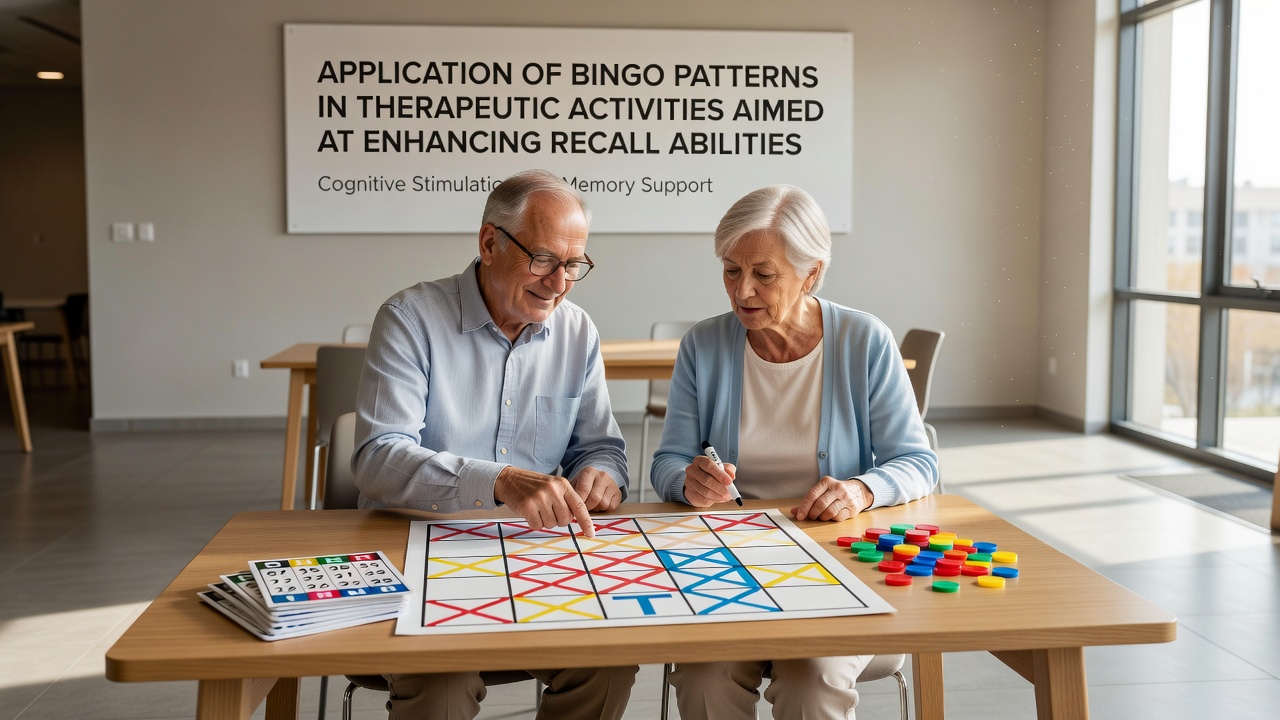
Bingo cards present rows, columns, and diagonals that participants must complete by matching called numbers to marked spaces, and this process activates both short-term working memory for immediate recognition and episodic memory for tracking previously seen patterns across multiple rounds. Studies reveal that varying the patterns from simple horizontal lines to complex shapes like letters or numbers forces the brain to reorganize visual information, which strengthens neural pathways involved in retrieval accuracy.
Therapy programs often begin with standard 5x5 grids and advance to customized layouts that include additional symbols or color-coded sections, while participants practice verbalizing their recall strategies during group sessions. Evidence suggests this layered approach improves performance on standardized memory assessments by 15 to 25 percent in participants who complete full cycles of intervention.
Implementation Across Clinical and Community Settings
Facilities such as rehabilitation centers and senior living communities integrate bingo pattern exercises into daily routines by using large-print cards and audio call systems that accommodate hearing and vision differences, and sessions typically last 30 to 45 minutes to maintain focus without inducing fatigue. One documented program at a Canadian long-term care facility combined these activities with follow-up journaling tasks where residents recorded the patterns they completed, which further reinforced memory consolidation through written repetition.
Digital adaptations appear in tablet-based applications that generate random patterns and track individual progress over time, allowing therapists to adjust difficulty based on real-time performance metrics. Figures from health technology evaluations indicate that hybrid sessions mixing physical cards with digital feedback produce higher engagement rates compared to paper-only formats in group environments.
Evidence from Recent Studies and November 2026 Developments
Analyses published in cognitive rehabilitation journals demonstrate that bingo pattern training yields particular benefits for patients recovering from stroke or managing early-stage dementia because the activity demands sustained attention alongside rapid pattern completion. Researchers at multiple institutions have noted improvements in delayed recall tasks after consistent exposure, with effects persisting for up to three months post-intervention when maintenance sessions continue monthly.
In November 2026, updates from the National Institute on Aging highlighted expanded trials that incorporate bingo patterns into multi-modal therapy protocols alongside physical exercise components, and preliminary results point to synergistic effects on overall cognitive scores. Similar work supported by the Canadian Institutes of Health Research examines regional variations in program delivery across rural versus urban care settings, revealing consistent recall gains regardless of location when trained facilitators lead the activities.
Adaptations for Diverse Populations
Programs tailored for younger adults with traumatic brain injury often emphasize speed-based pattern completion to rebuild processing speed, whereas sessions for individuals with aphasia incorporate visual-only cues without verbal number calls. Observers note that these modifications maintain the core structure of grid navigation while aligning with specific deficit profiles, and outcome data from such customized approaches show enhanced retention of daily living information like medication schedules and appointment details.
Community centers in Australia have reported integrating bingo patterns into intergenerational programs that pair older adults with school-aged volunteers, which adds a social memory component through shared storytelling about completed cards. Government health reports indicate these mixed-age formats support broader community participation while delivering measurable recall benefits to primary participants.
Conclusion
Therapeutic applications of bingo patterns continue to evolve through integration with emerging technologies and refined assessment methods, and ongoing data collection supports their role in structured recall enhancement programs. Facilities that adopt these approaches benefit from accessible materials and flexible delivery options that accommodate varying cognitive baselines, while researchers track long-term outcomes to refine protocols further. The combination of pattern recognition, sequential memory demands, and group interaction creates a versatile framework that addresses recall abilities across multiple clinical contexts.